3D as a language. Design and prototyping in the Goretti network
In the fashion industry, speed has become a key requirement, but speed alone not enough. What truly has an impact on the quality of the final product is the ability to make informed decisions in the initial phases of the project, when making changes, adjustments and improvements is still possible without undermining lead times, costs and production development.
Whether it’s accessories for footwear or leather products, ABS studs, jewellery or decorative components, every product is the result of a gradual process. A process where an idea must be understandable, shareable and verifiable before it turns into an item to be produced.
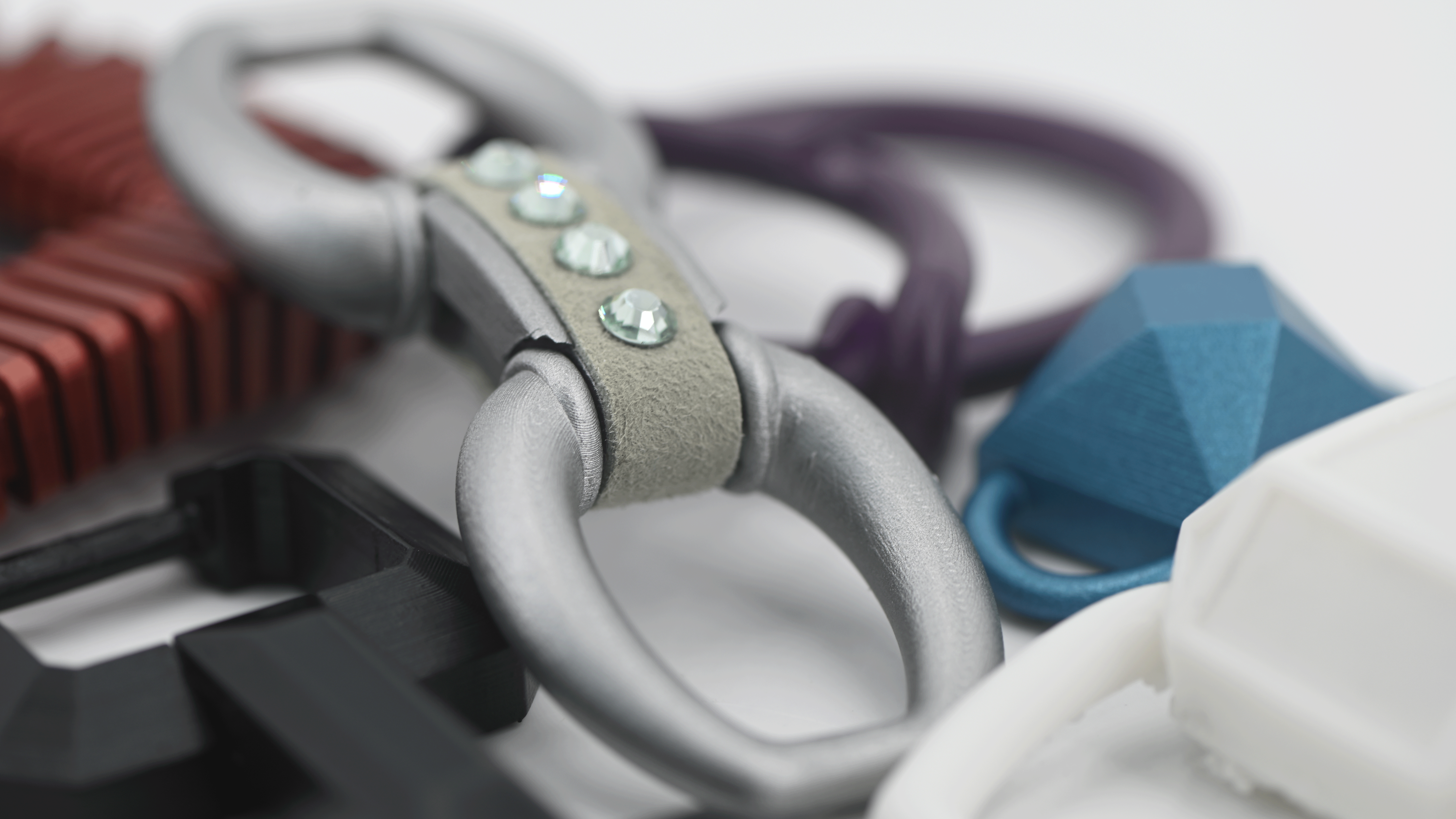
Within this framework, 3D printing plays a crucial role within the Goretti network. It is not used as mere technological support, but as a design tool that can make shapes, proportions and details immediately understandable. It enables us to quickly move from an intuition to a concrete check, thereby offering a more solid basis for customers, style and technical departments to exchange ideas.
When a project can already be observed in 3D in its initial phases, decision-making processes change greatly. Assessments are more precise, there are fewer interpretations and any necessary change can be made before the project enters the more complex and expensive production stages.
Planning before producing
Every accessory is the result of an idea, but between the idea and the final product there are a great host of technical checks and decisions. Therefore, prototyping is a key part of the development process.
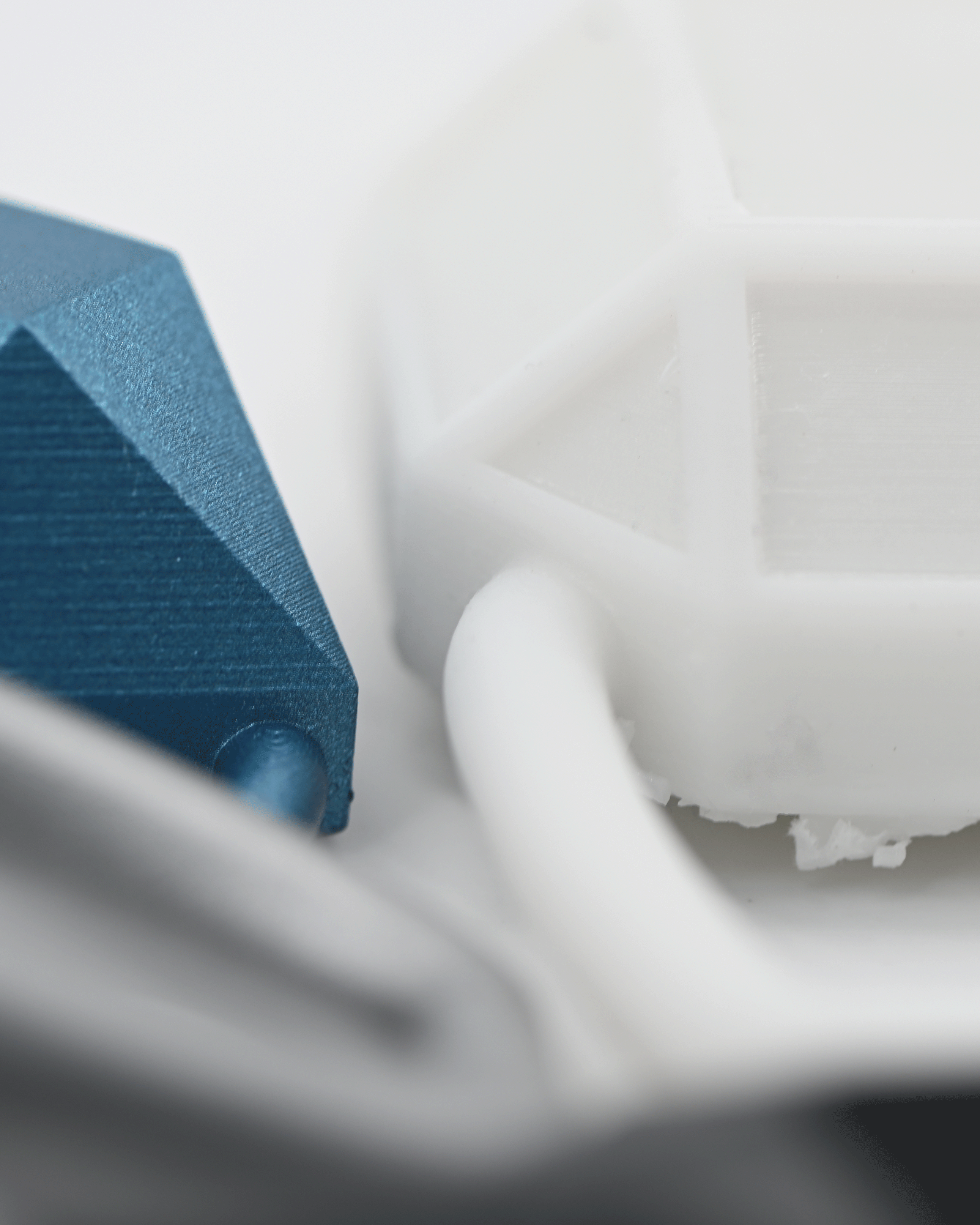
At Goretti, Deadama and Mabel, work starts from digital design through software programmes such as Rhinoceros, which help effectively determine geometries, proportions and details. The crucial phase, however, comes with 3D printing: the project becomes a tangible object that can be observed and assessed in its aesthetic and size characteristics.
The pattern departments develop each proposal starting from the customer’s requirements, by verifying feasibility, applications and production solutions. The goal is not only to create a sample, but also to create a shared assessment tool that can enable us to approve the project and implement changes where necessary before production begins.
For accessories made for footwear, leather products and clothing, this means being able to oversee volumes, details and proportions starting from the very first phases, thereby reducing the number of subsequent reviews and criticalities.
From prototype to sample: three skills, one process
Though operating in different fields, Goretti, Deadema and Mabel share the same approach: using prototyping as a tool of development, verification and dialogue with the customer. Materials and applications do change, but the will to produce something through a more informed and controlled process remains the same.
GORETTI
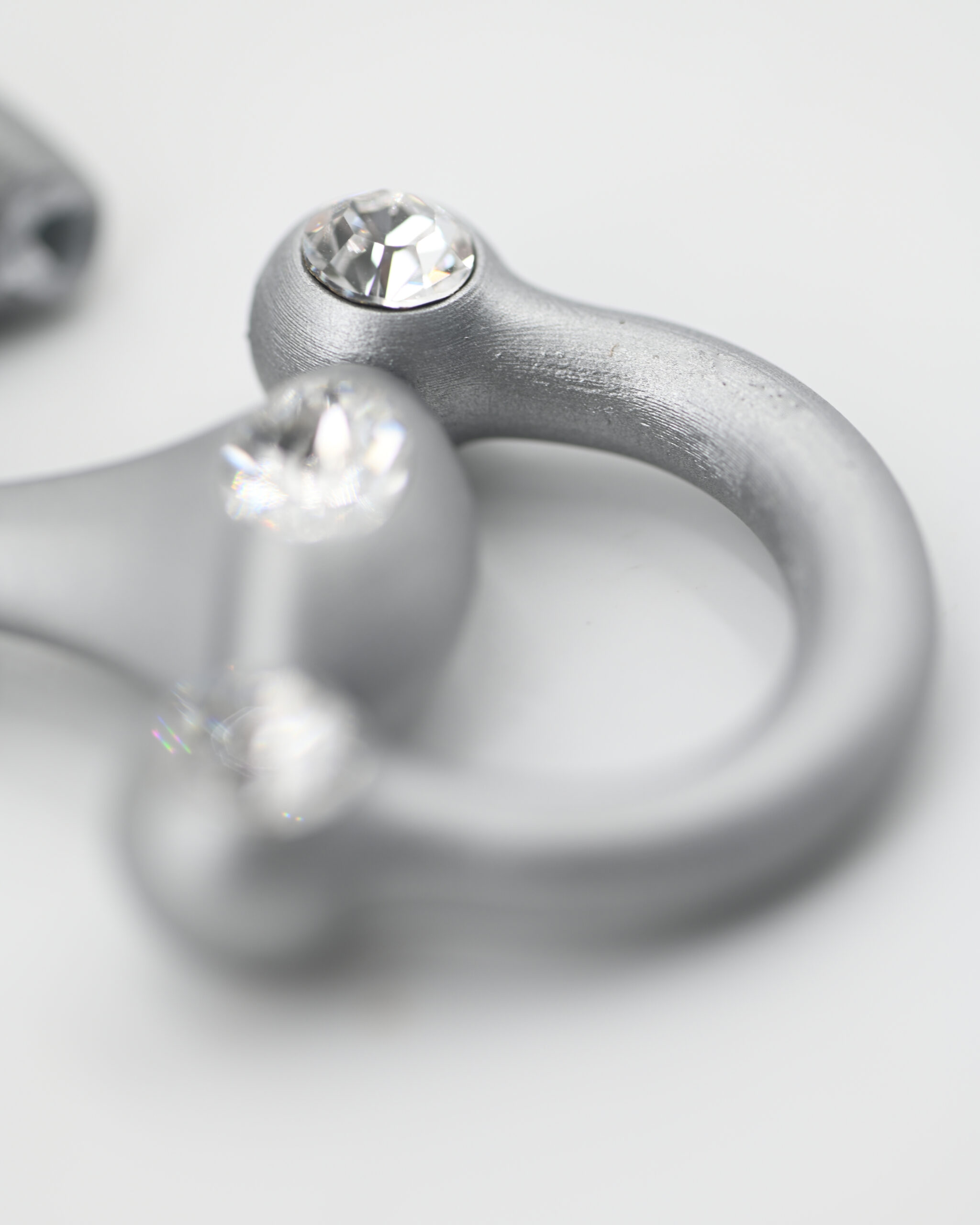
To Goretti, 3D printing is a crucial asset in developing accessories and components for the footwear and leather industries. By creating prototypes in resin, Goretti can quickly check new design ideas and present them more effectively during the approval phase.
Customers no longer have to settle for a simple graphic representation; they can now concretely assess the shapes, sizes and presence of the accessory on the final product.
DEADEMA
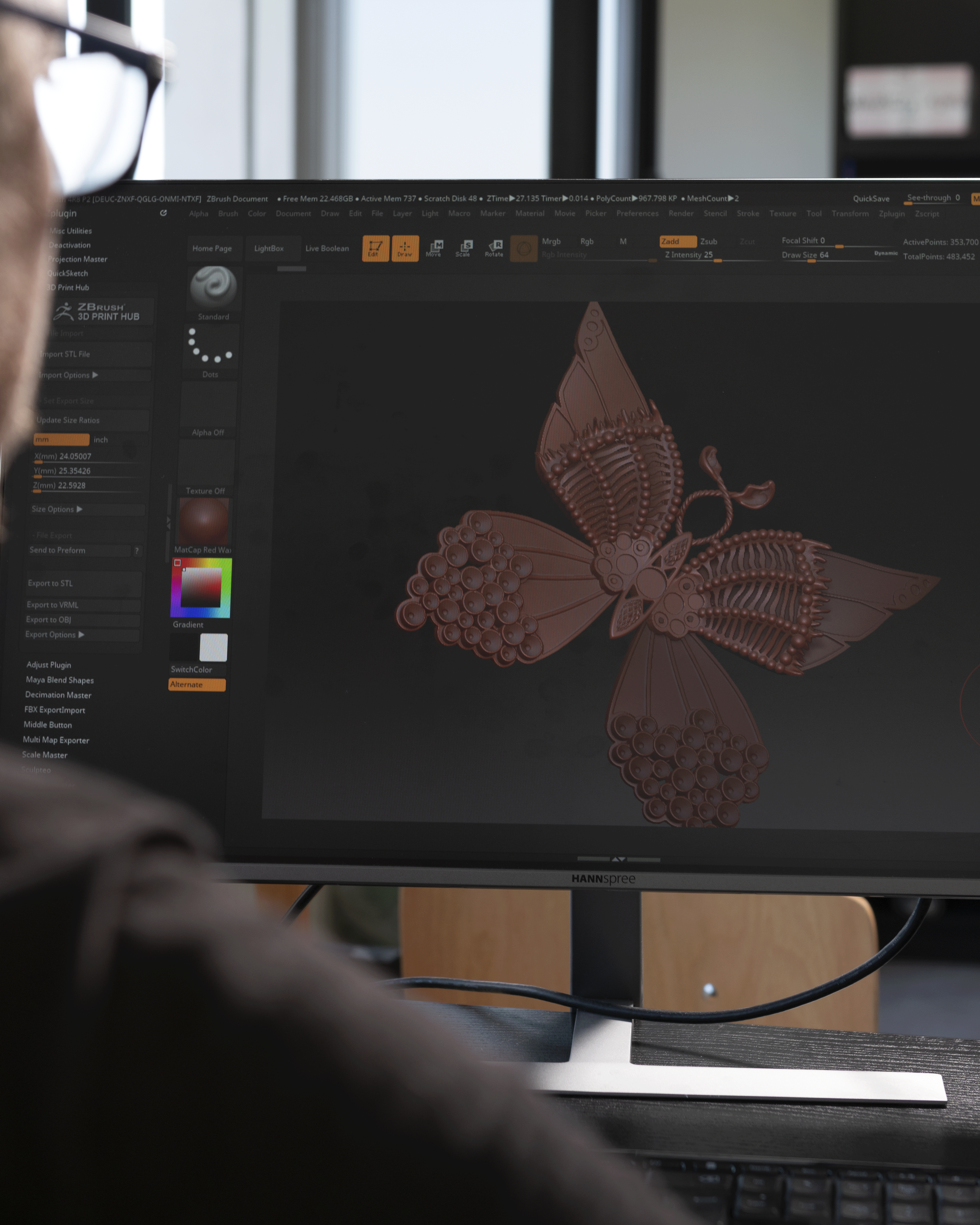
When it comes to Deadema, 3D printing is used to create wax models to be subsequently melted to create metal prototypes.
This technology is combined with the artisanal expertise that the company has developed over time. Understanding manual wax applications enables Deadema to create details and shape solutions that do not depend solely on digital tools. The final result is a process that combines technical precision and aesthetic sensitivity, thereby allowing us to obtain prototypes that are extremely close to the final product.
MABEL
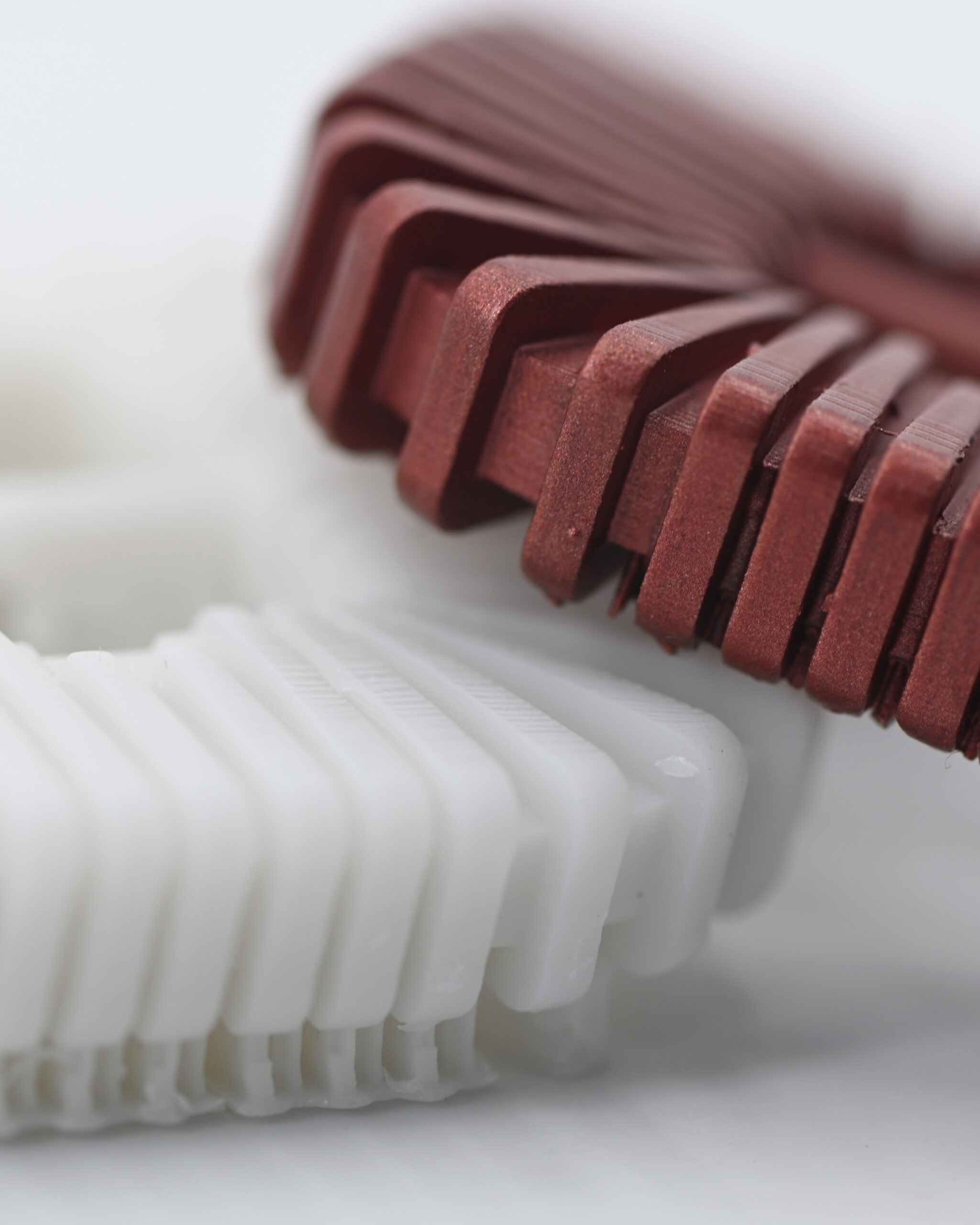
For Mabel, which specialises in making personalised ABS studs, 3D prototyping is a crucial step in both the creation of new items and managing small productions.
Before creating the mould, every element can be checked in terms of size and shape. This allows Mabel to thoroughly check proportions, size and construction details and therefore reduce the risk of having to take subsequent measures, making the entire production process more efficient.
From mould to production
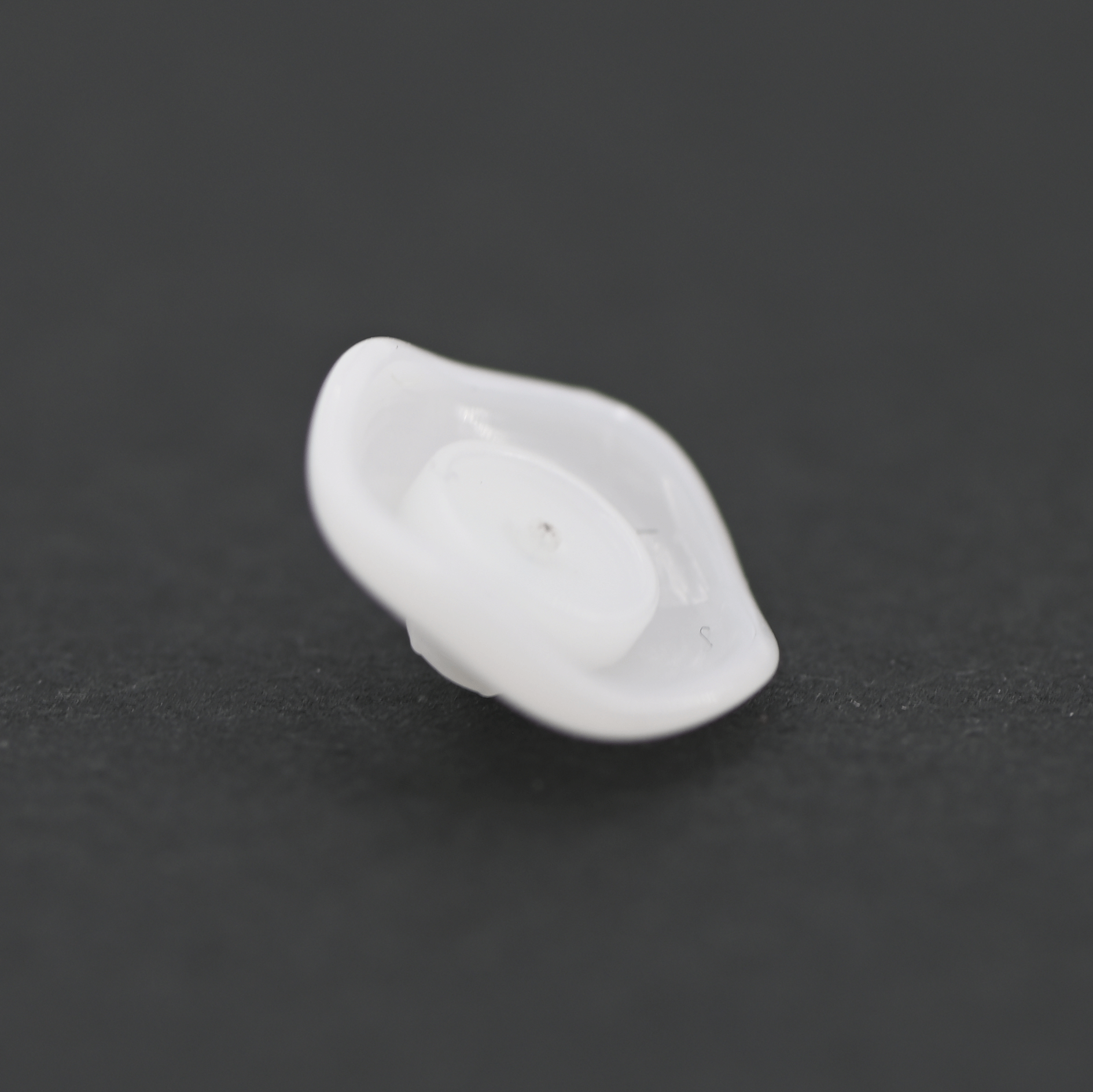
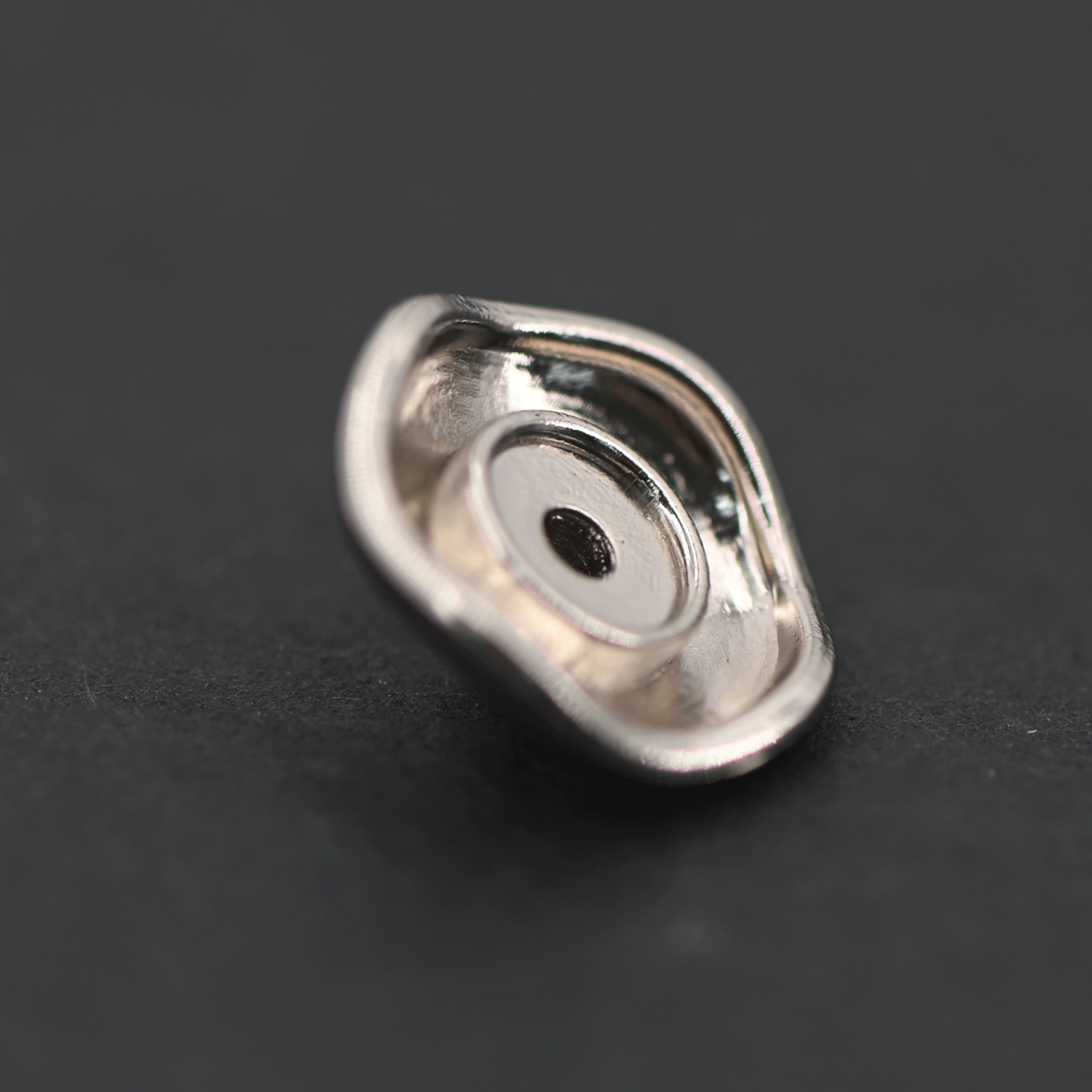
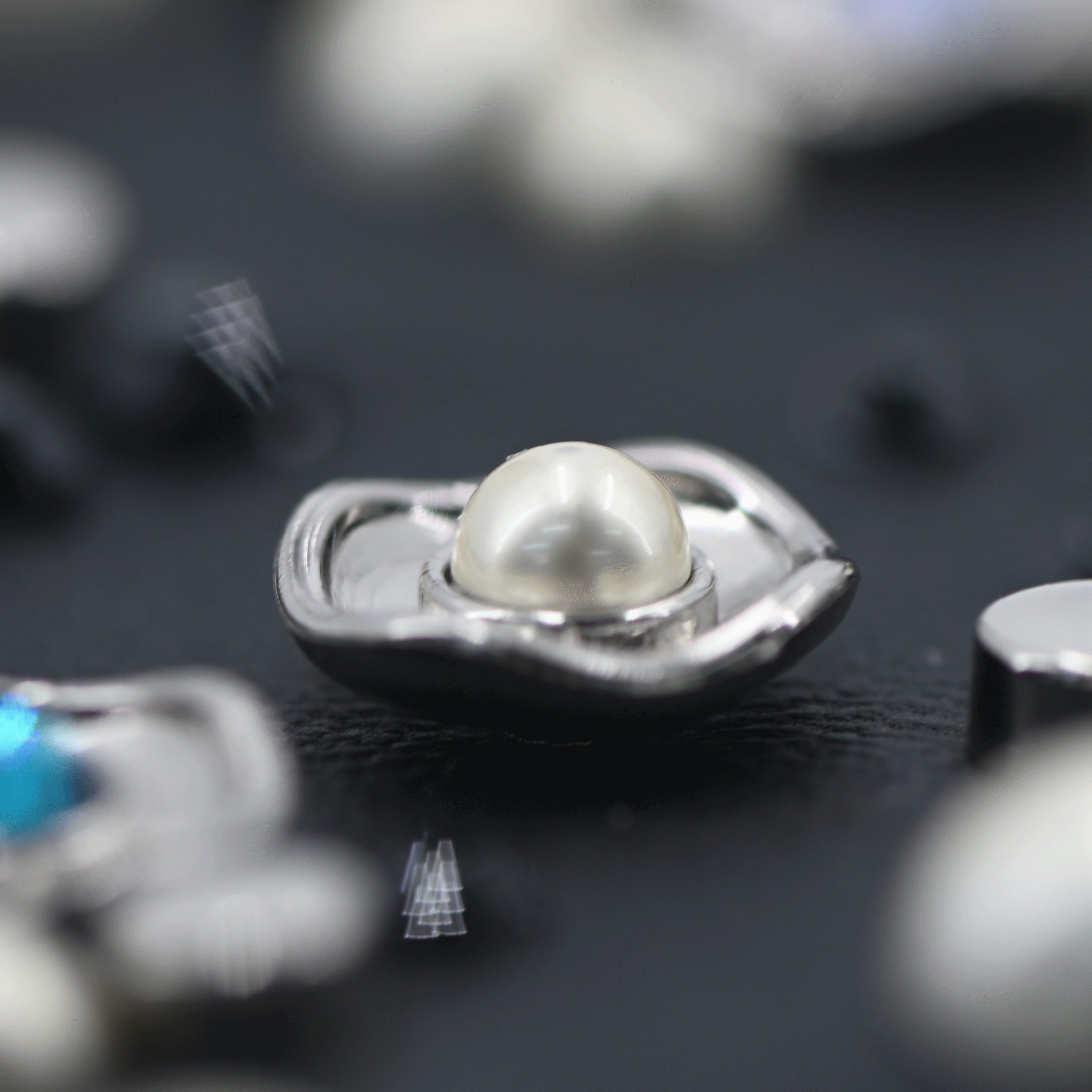
Once the project has been checked, corrected and approved in all its aspects, the printing process can begin. This marks the shift from the development to the production phase, which enables an accessory’s serial reproduction.
Arriving at this point with a prototype that has already been approved means going through the production process with greater confidence. The main choices have already been shared; any problem has been identified ahead of time and the risk of having to make subsequent changes has diminished greatly.
The network’s sampling department works every day to guide customers and brands along this process. Starting from the first idea to defining a prototype, all the way to preparing for production, every project is overseen with the goal of turning an initial intuition into a tangible, feasible and consistent solution that meets all requirements.