Past – Present – Future: the evolution of buttons
Listen to the article
Our Past – Present – Future column is back with its fifth episode, dedicated to an element that is small in size yet crucial in making any piece of clothing: buttons.
This age-old accessory still today has a lot to teach us. Because innovating does not always mean introducing new instruments or technologies. It sometimes means looking at an ancient art, reinterpreting a consolidated technique, turning a well-known action into a new, contemporary opportunity.
In this case, evolution is not the result of a machine, but rather of being able to identify the demands of contemporary fashion and shape a process that has long been a part of our history.
Our previous episodes were about: cutting systems | vertical warehouses | automatic and semi-automatic studding machines | the Rodella sewing machine
Buttons: functional, stylish and with a distinctive identity
Throughout history, buttons have played multiple roles: they have been decorative, functional as well as an element of style. Their presence may seem minimal, but small details are often instrumental in building the identity of a piece of clothing.
Shape, material, colour and finishing contribute to providing a project with balance. A button can disappear, go along with a line, create a sense of continuity with the fabric or turn into an eye-catching element. It is not just for buttoning up a piece of clothing: it can complete it, enhance it or make it recognisable.
Therefore, even what may appear to be a very simple accessory requires attention, sensitivity and creative interpretations.

Rediscovering buttons: an ever-evolving tradition
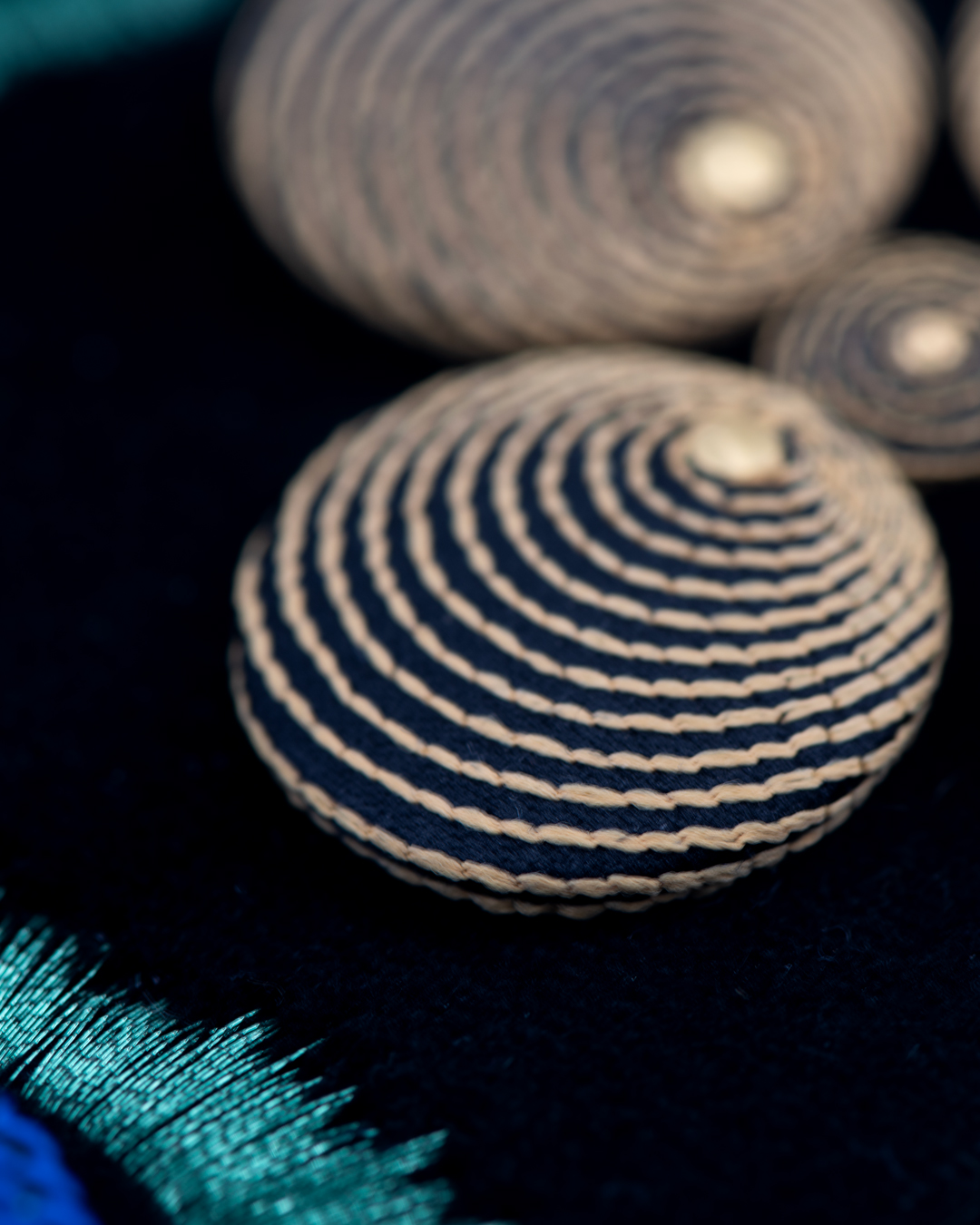
Covered buttons are a product that Goretti has been passing on for decades. This expertise comes from ancient knowledge that was developed back in the 1800s: covering the button assembly—comprised of a shank and cap—with fabric or leather, not to conceal the component, but to fully integrate it into the garment’s design language.
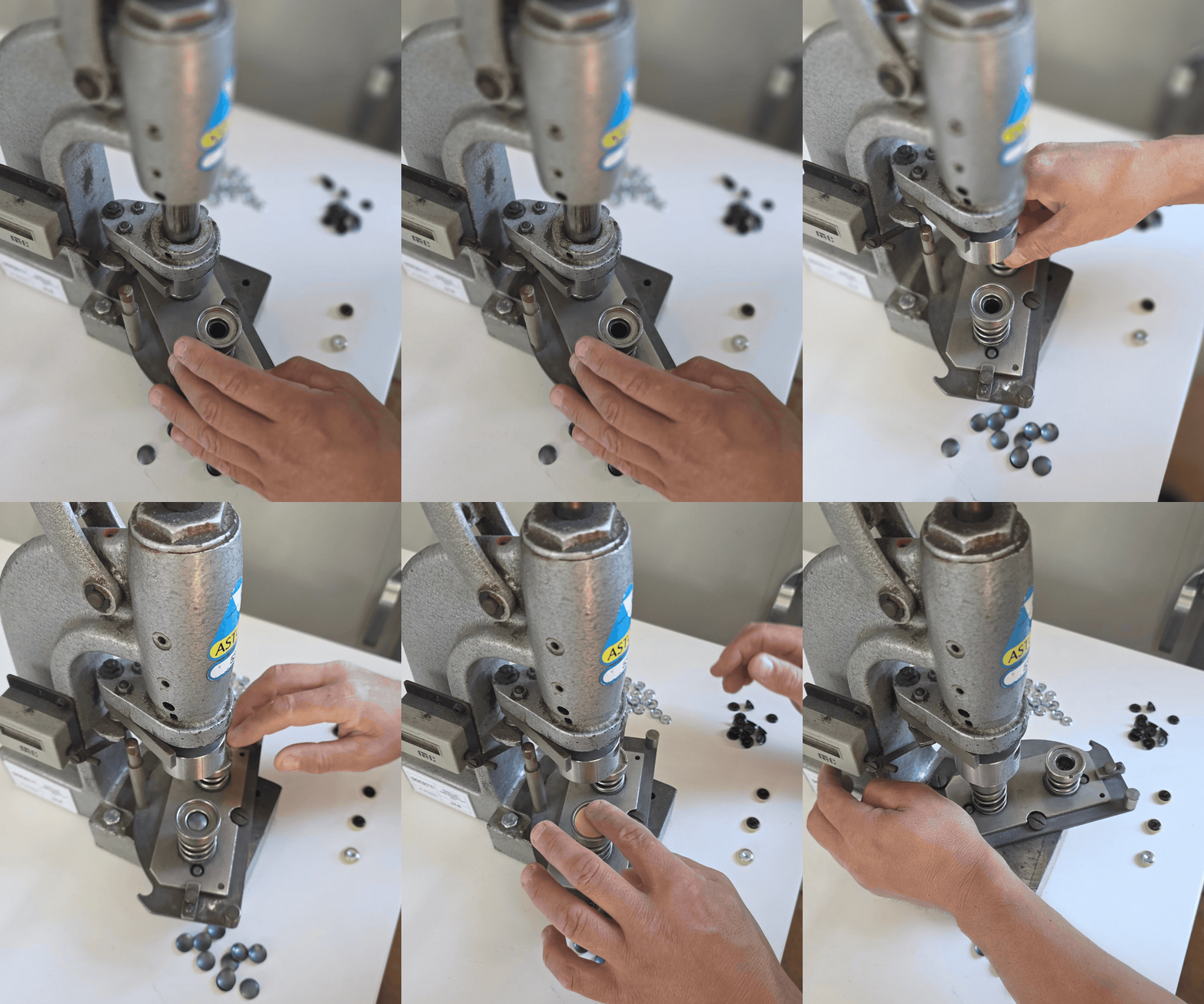
The process has preserved its essential structure: a manual press enables us to cover a button with precision and uniformity. The power of this technique is in the continuity of the action, in being able to stably maintain the technical basis and, at the same time, constantly obtain new results.
This is where innovation comes from: in pursuing new styles, experimenting with materials, transforming a classic accessory into a contemporary detail.
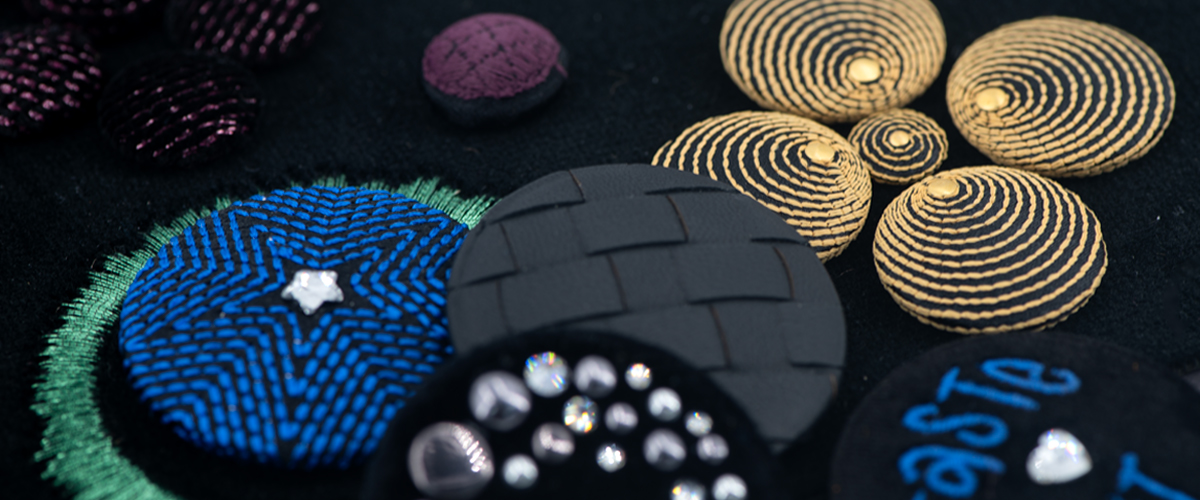
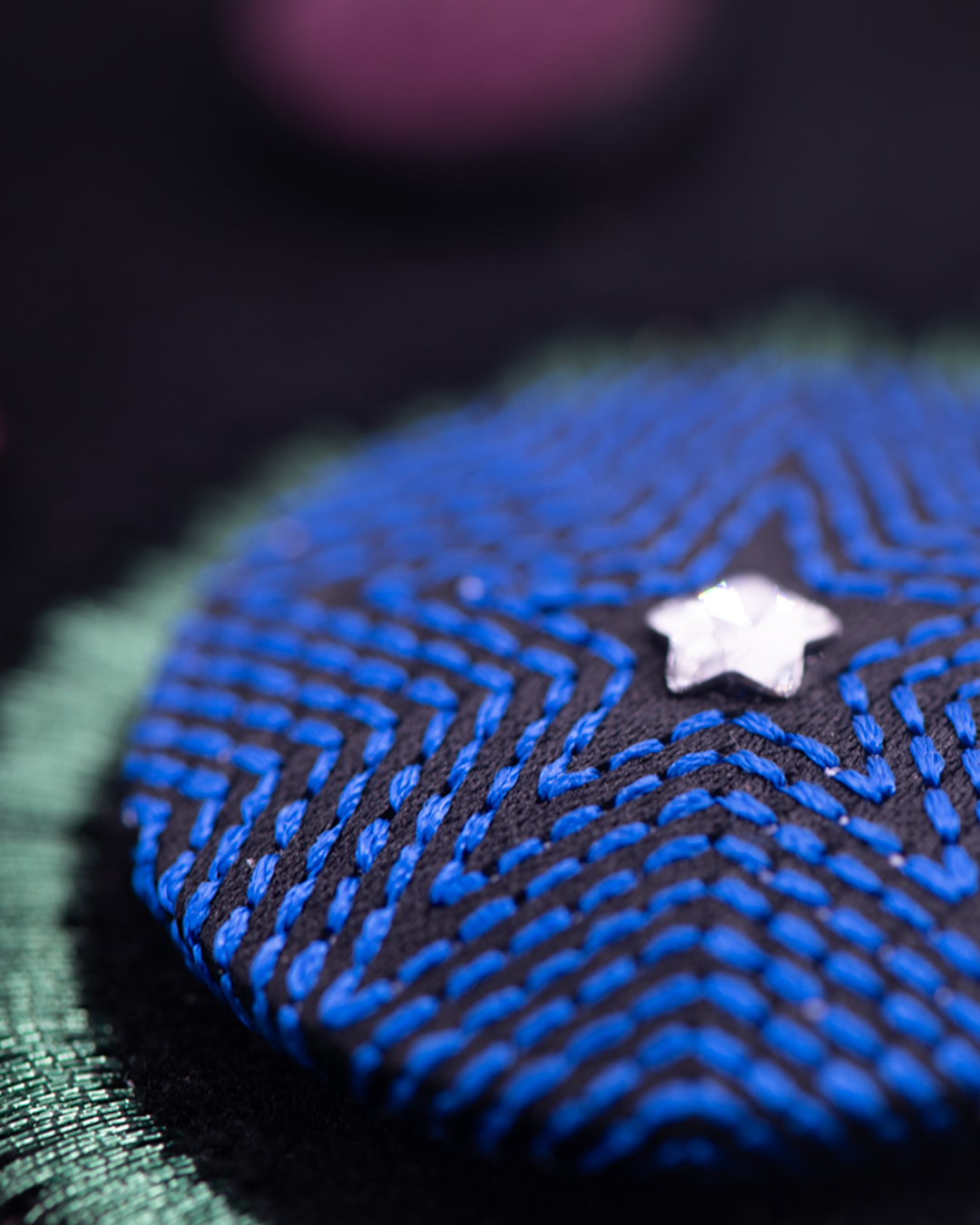
Today covered buttons have moved on from their more traditional form. Fabric and leather turn into surfaces to interpret, enhance and customise. Embroidery, rhinestone and stud applications as well as special techniques can turn every button into a precious small element, designed to complement a garment and contribute to consolidating its identity.
The result is never a generic accessory, but rather a well-designed detail: unique, original and recognisable.
Button Valley: a growing tradition
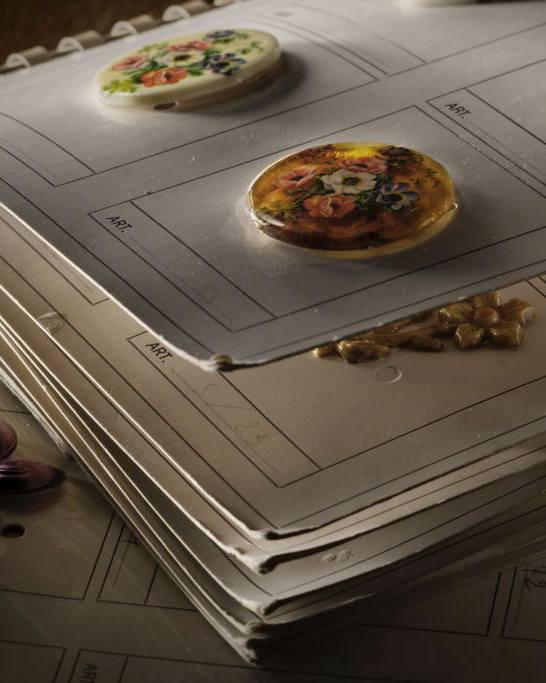
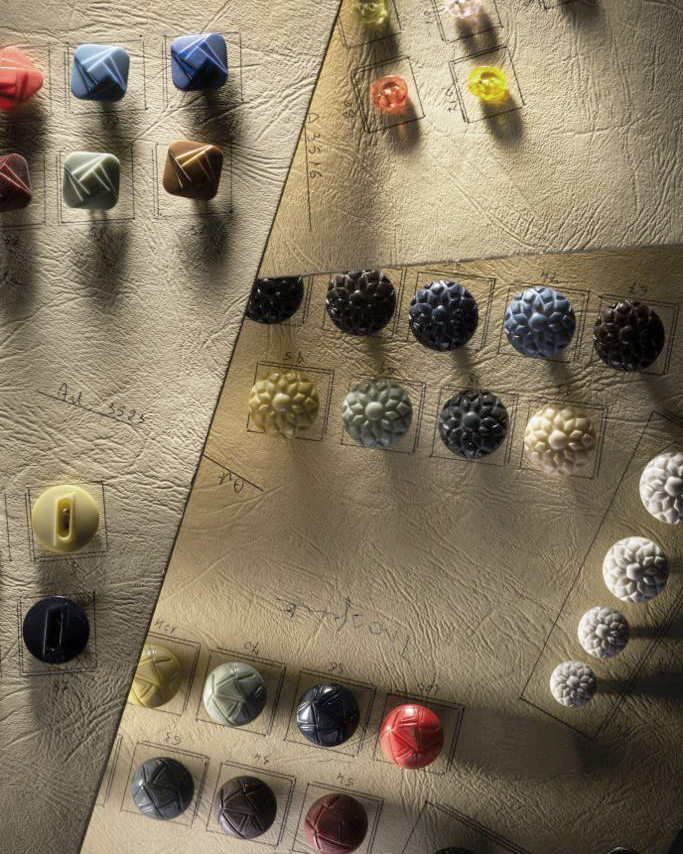
This attention to detail is part of a broader culture, tied to the history of the area and the companies that are part of the Goretti network.
One of these is Mabel, founded in 1955 in Chiuduno, in the heart of “Button Valley”, the famous industrial district between Bergamo and Brescia.
Following the end of the Second World War, this area was already a hub of Italian button production. Starting from the Sixties, Mabel broadened its range of products by introducing nylon and complementing its high-quality artisanal creations with more standardised products dedicated to the clothing industry.
Building on this know-how, Mabel continues to make accessories with new effects and finishes and pays great attention to quality and customisation.
The very combination of tradition and Goretti’s covered button tradition has led to a wide, cross-cutting range of solutions: these include very creative and experimental solutions as well as more structured productions.
A small element with many possibilities
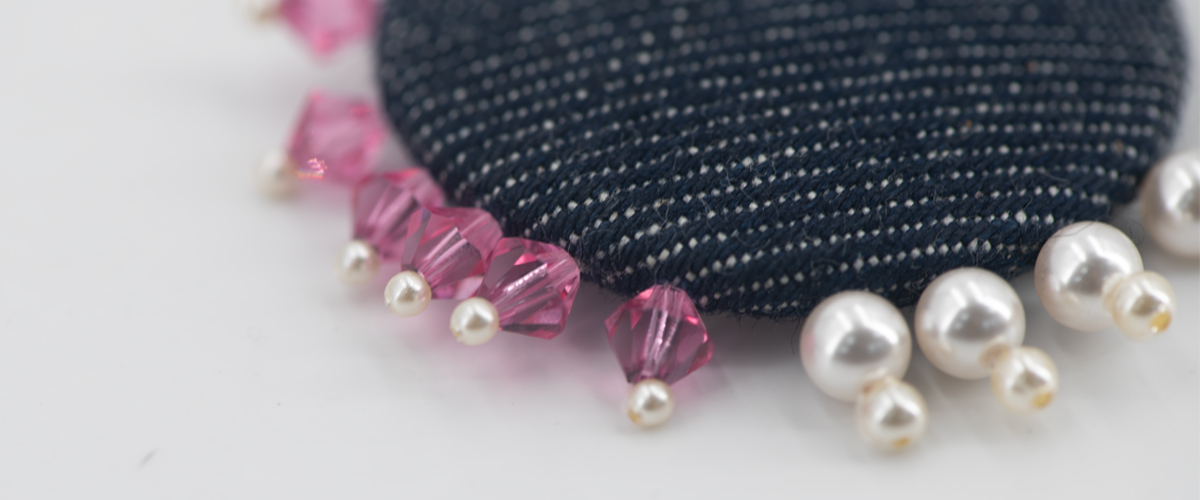
Buttons are a small detail, but they have huge transformative potential. They can either be functional or decorative, discreet or the centre of attention, traditional or surprising.
To Goretti, telling readers about their evolution means talking about a form of expertise that continues to change without forgetting about its roots. A technique that remains faithful to the act, but that is always open to new interpretations.
Because even such small elements can help define the character of a collection.