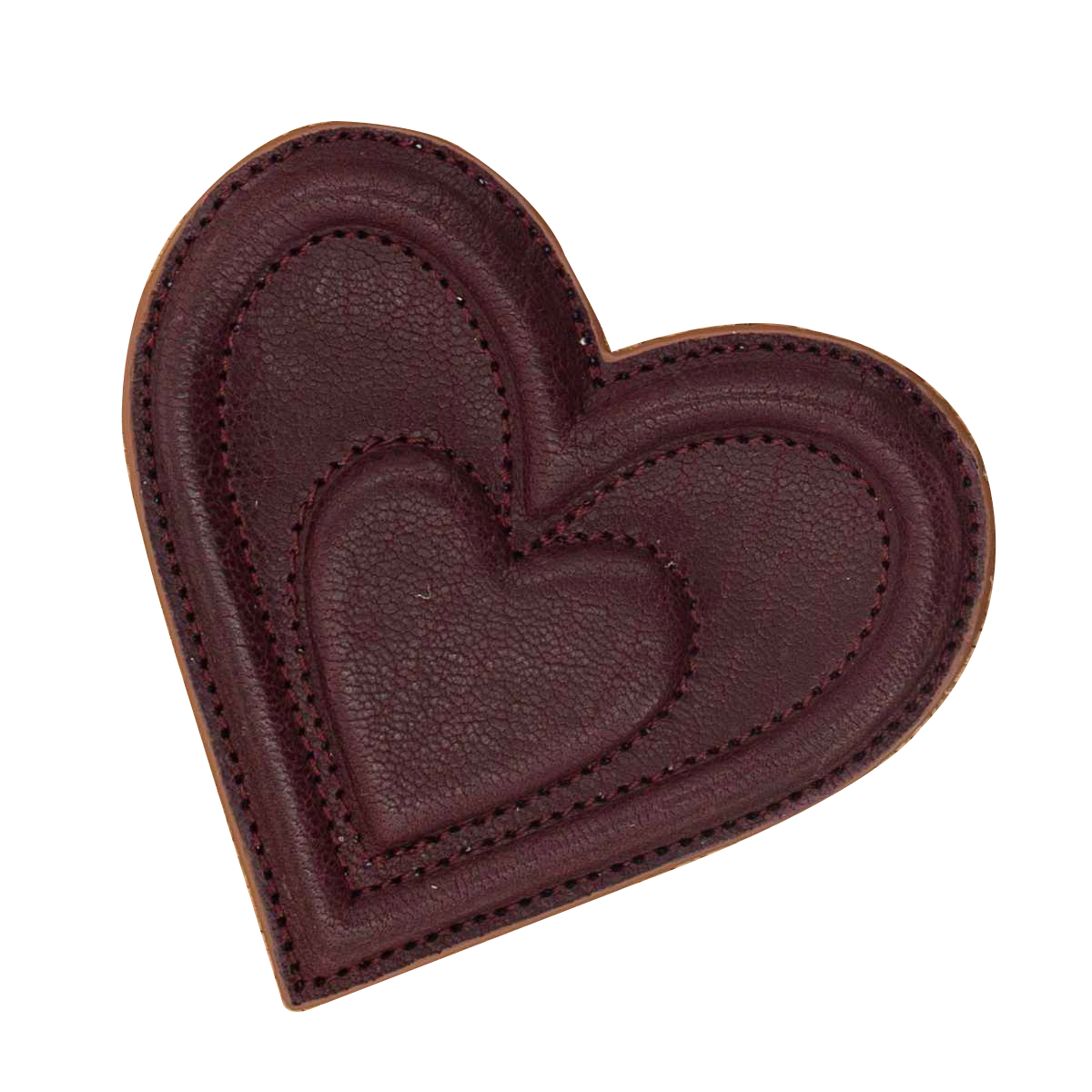
Past – Present – Future: automated seams and curved seams with the Rodella sewing machine
Listen to the article
Here is the first 2025 episode of our ‘Past – Present – Future’ series, dedicated to the machines and technologies that have been accompanying Goretti’s handicraft work over the years. After telling you about the evolution of our cutting systems, vertical warehouses and automatic and semi-automatic studding machines over time, we will now dive into the work of the sewing department, by showcasing its undisputed protagonist: the Rodella sewing machine.
One machine, many possibilities
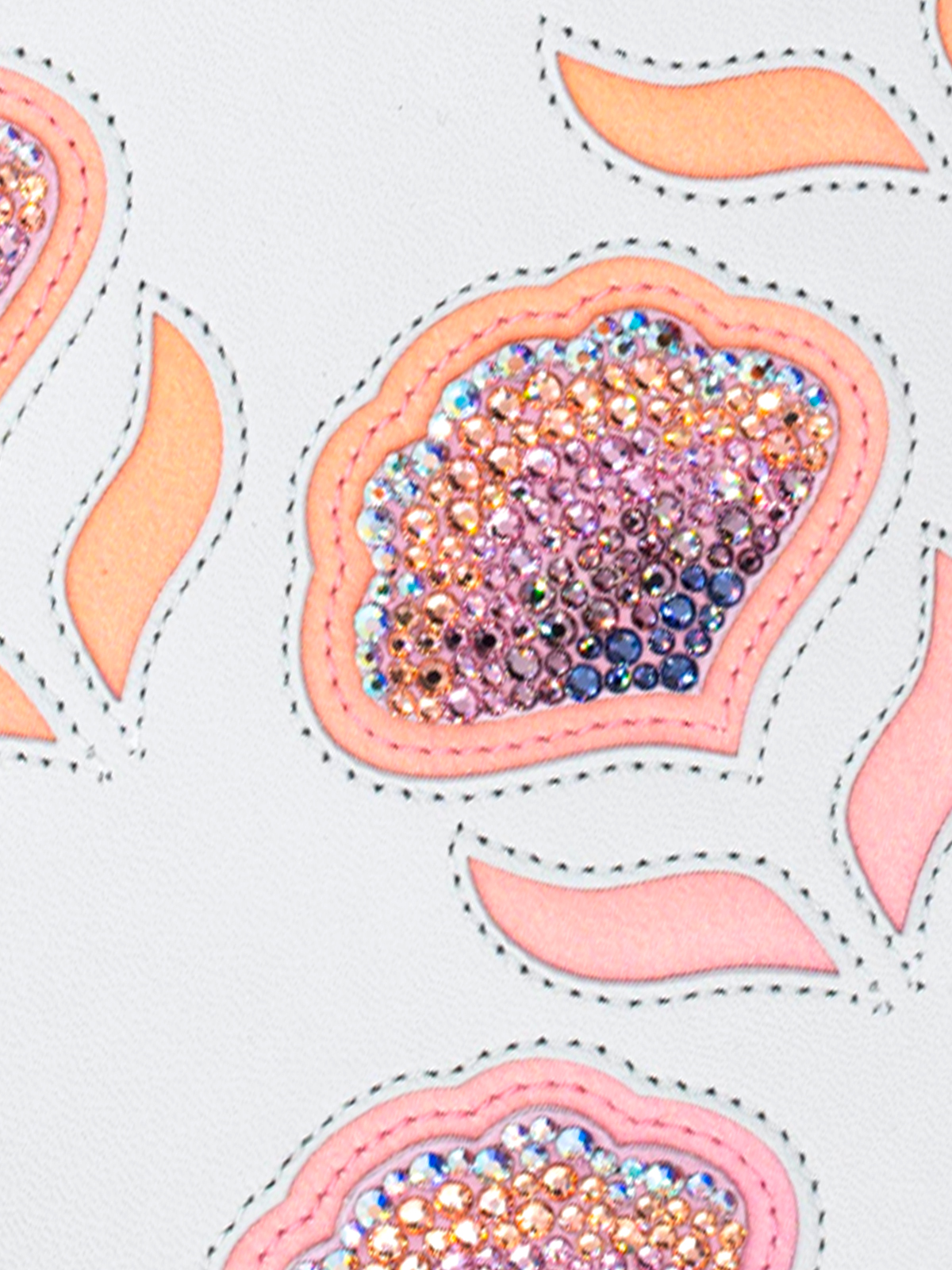
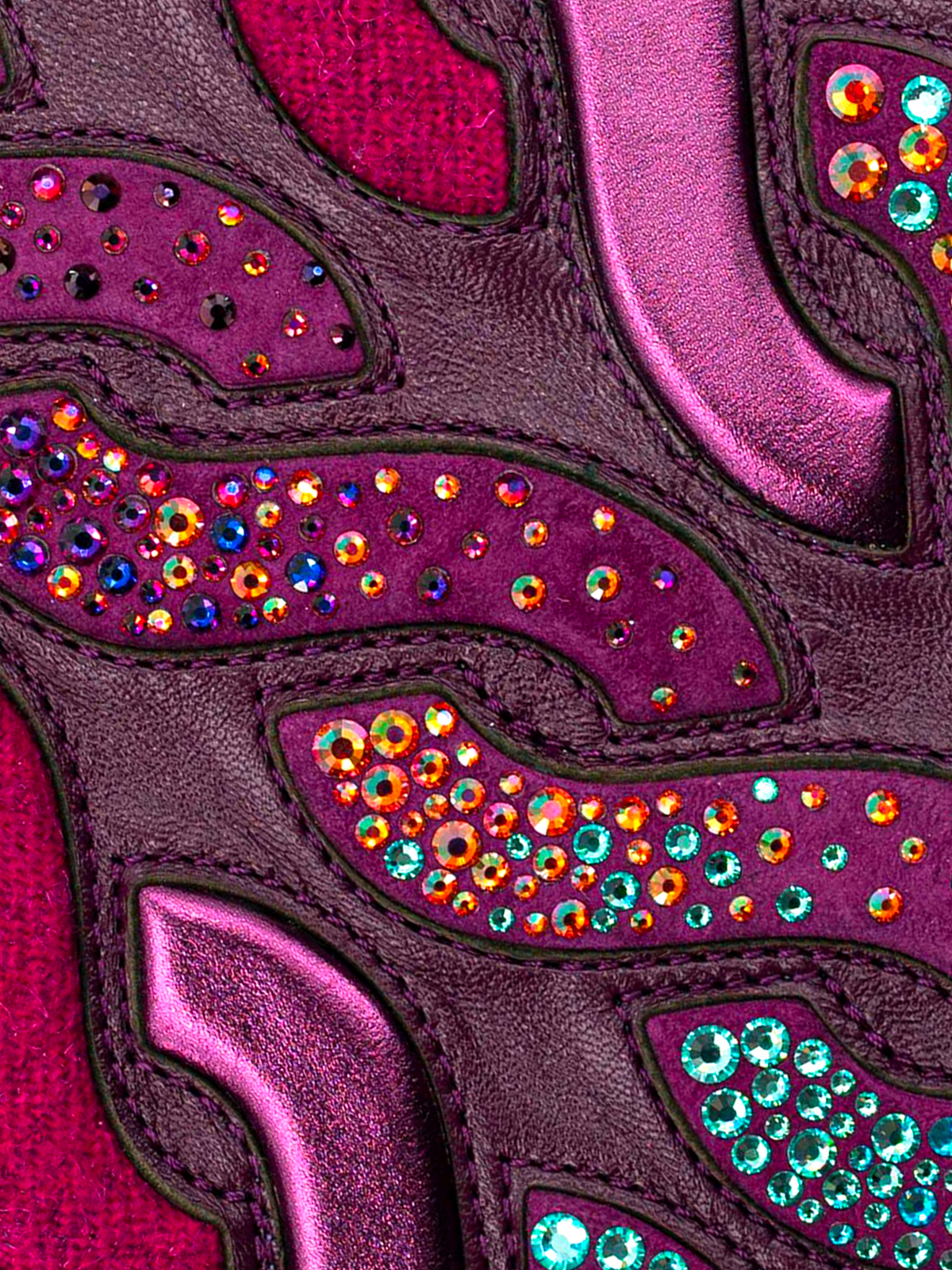

In our plant in via Brodolini, the Rodella sewing machines were a turning point in the realisation of complex seams, especially curved and multi-level seams. Programmable and electronic, these machines have become an integral part of our production department, in both of their versions: the one featuring a small and the one featuring a large loom.
The first Rodella sewing machine entered our plants about ten years ago and virtually revolutionised the way we sew shoes, leather items and special applications. Thanks to its 360º rotating head, the automatic lifting during the transfer movements and the height adjustment of the foot based on the thickness of the sewing material, this technology provides versatility and precision on any kind of support.
The machine can sew at different speeds and with stitch widths ranging from 0.05 mm to 12 mm and can bear up to 800 kg in weight. The Rodella sewing machine is designed to meet the demands of the fashion industry without giving up handicraft quality.
Before and after: what has changed
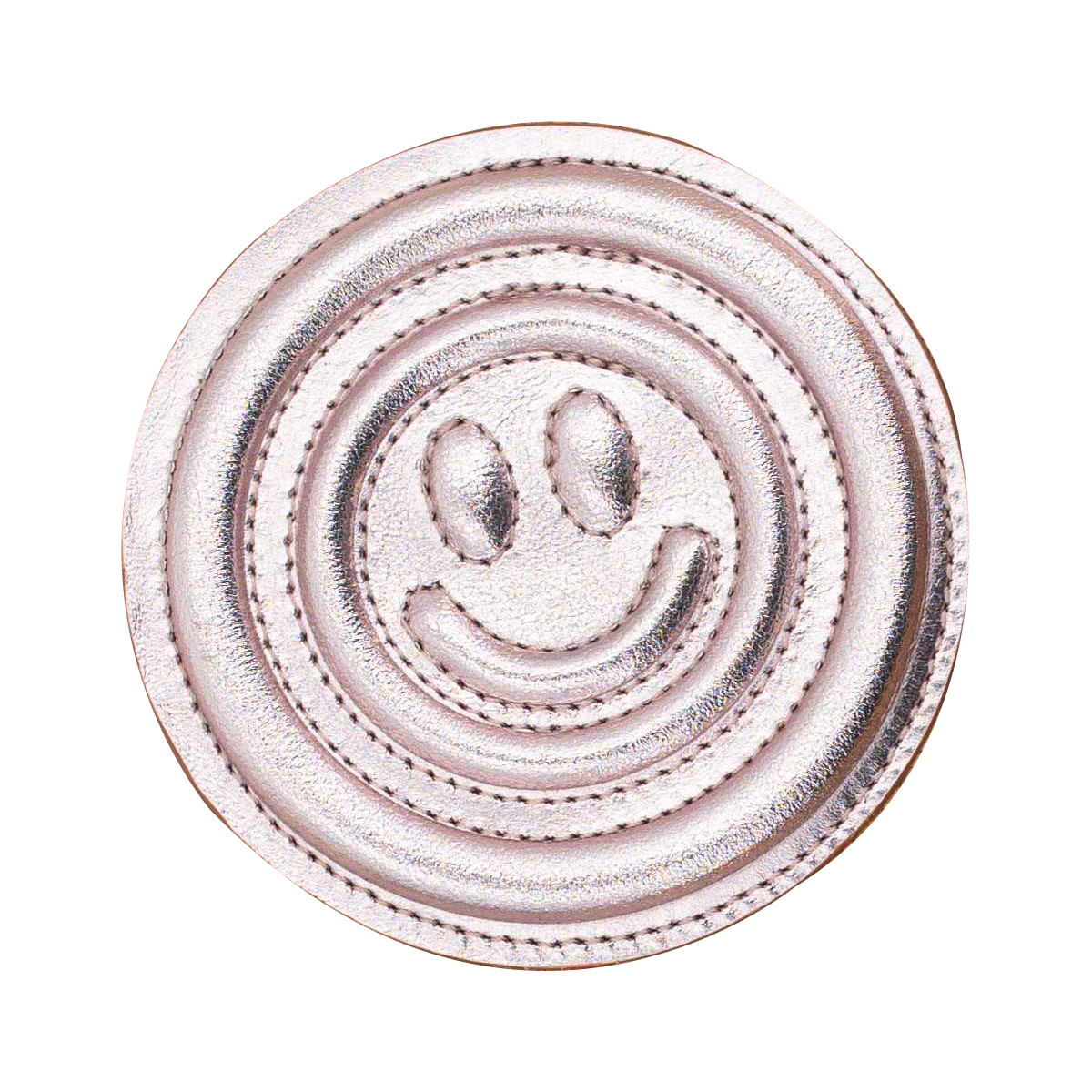
Before the introduction of the Rodella machine, curved seams were entrusted to our expert operators and semi-automatic machines. Though precise, the handicraft procedure did not ensure a flawless execution, nor did it offer the chance to work on pre-decorated or very thick materials.
Here’s what can be done thanks to the Rodella sewing machines:
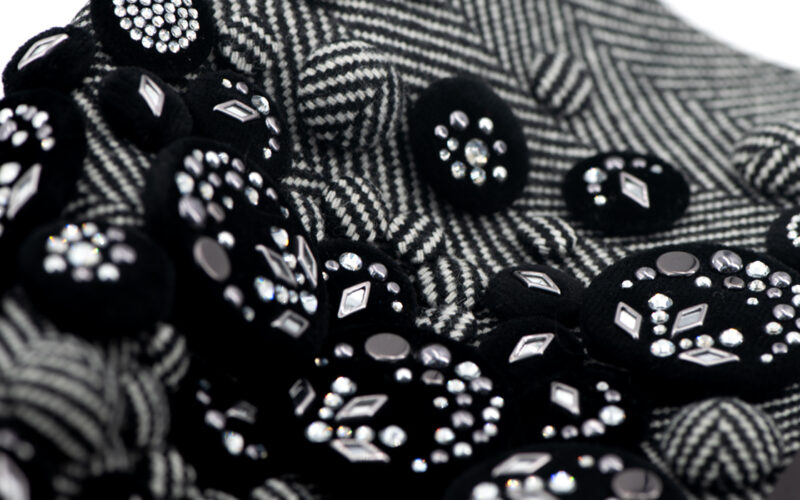
– sewing can be performed on materials on which accessories have already been applied (ABS studs, rivet trims, claw trims);
– up to 10 thickness levels and 10 different speeds can be handled in the same sewing process;
– the pattern maker generates a bar code that the operator can scan to directly start the programme;
– up to 3 threads, different in thickness and colour, can be used in the same pattern;
– a perfect seam and a clean support can be obtained even on high or irregular materials.
A look into the future
The potential of the Rodella sewing machines is still evolving. What’s our next goal? We hope to increase productivity by integrating new functions in the same work surface, for example combining sewing and lasering. This would enable us to further reduce production times and achieve better operational continuity.

The work behind every seam
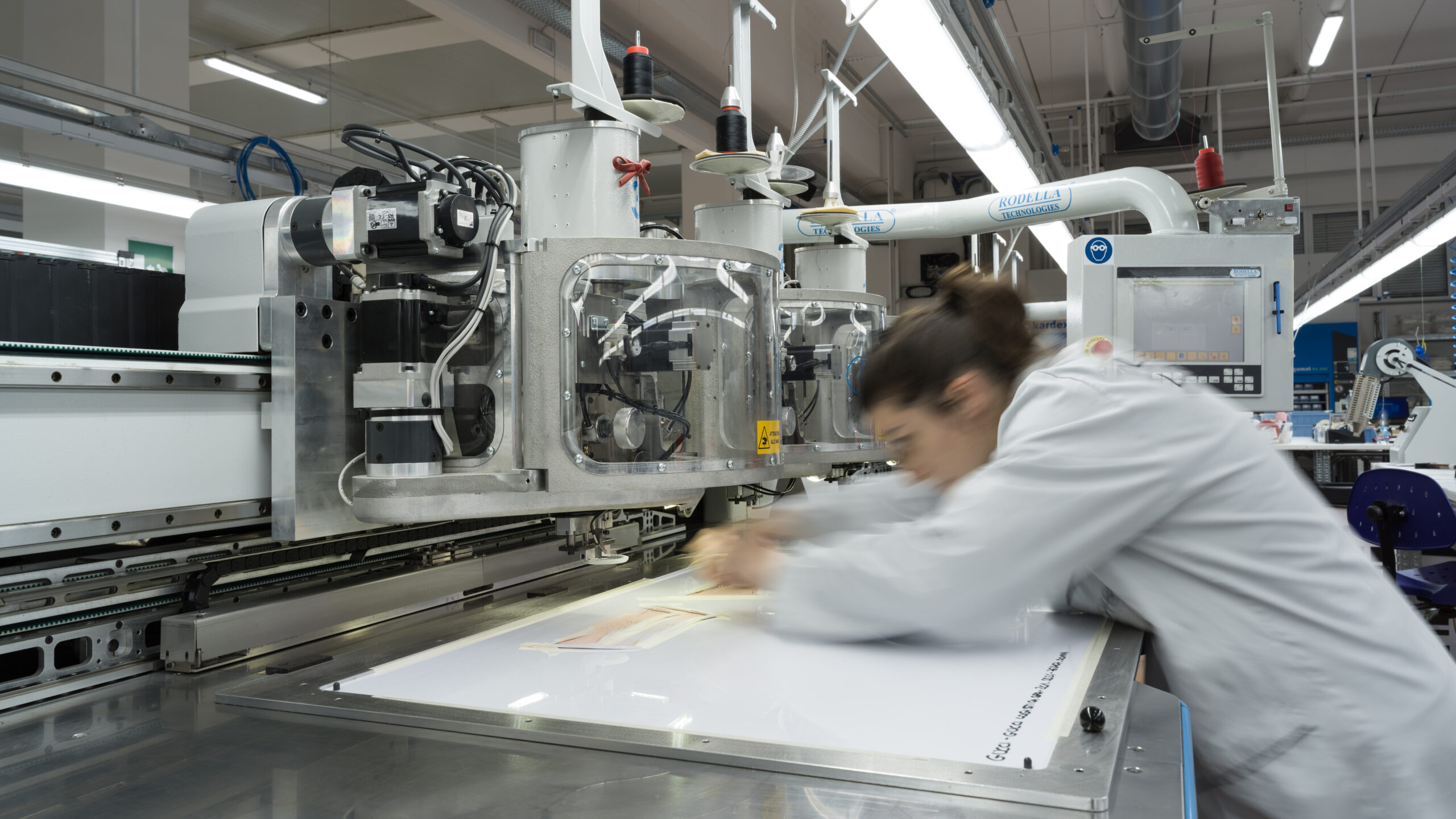
Despite the high level of automation, the Rodella sewing machine does not do all the work on its own. The ingenuity of the pattern maker and the precision of the operator are essential to realise a curved seam.
The process starts with the creation of the technical drawing, followed by the planning and preparation of the templates, which are essential to correctly place the support. Then, the machine is set up and the process is initiated. However, the operator constantly monitors the progress of the procedure to ensure a good result and, when needed, steps in to streamline the process or solve problems.